Drive Thru Solutions: The 2026 Guide to Faster Lanes
Modern Drive Thru Solutions have quietly become one of the most competitive battlegrounds in quick-service retail. In 2026, a lane that moves ten seconds faster than a rival’s can translate into thousands of extra orders a month. The technology behind that speed, timing systems, order-confirmation displays, headsets, and lane analytics, has matured into a serious operational discipline. This guide explains how it all fits together and how to invest wisely.
Whether you run a single restaurant or a national chain, the fundamentals below will help you cut lane times, lift accuracy, and give your teams the live visibility they need to perform under pressure.
What Are Drive Thru Solutions, Really?
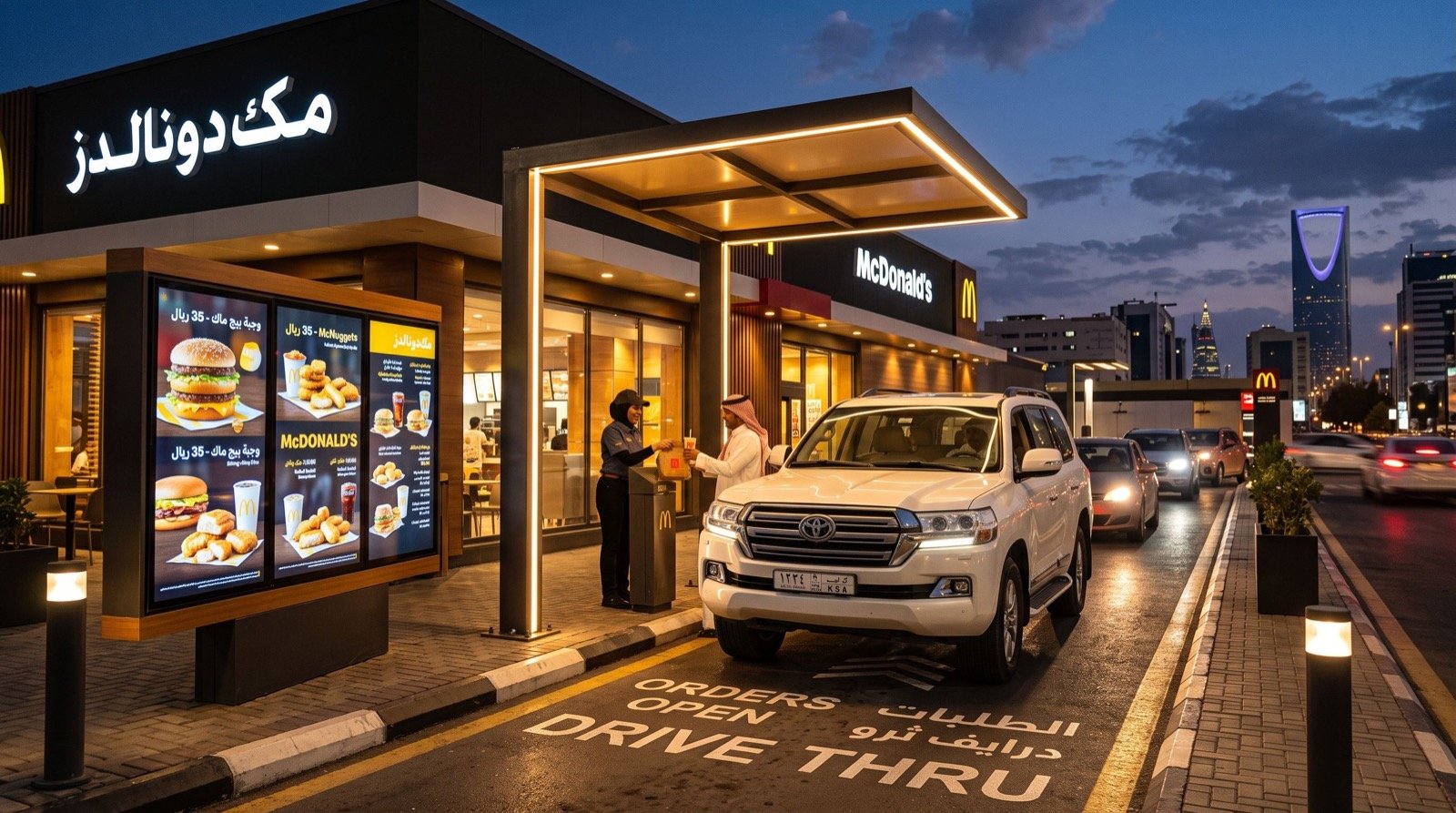
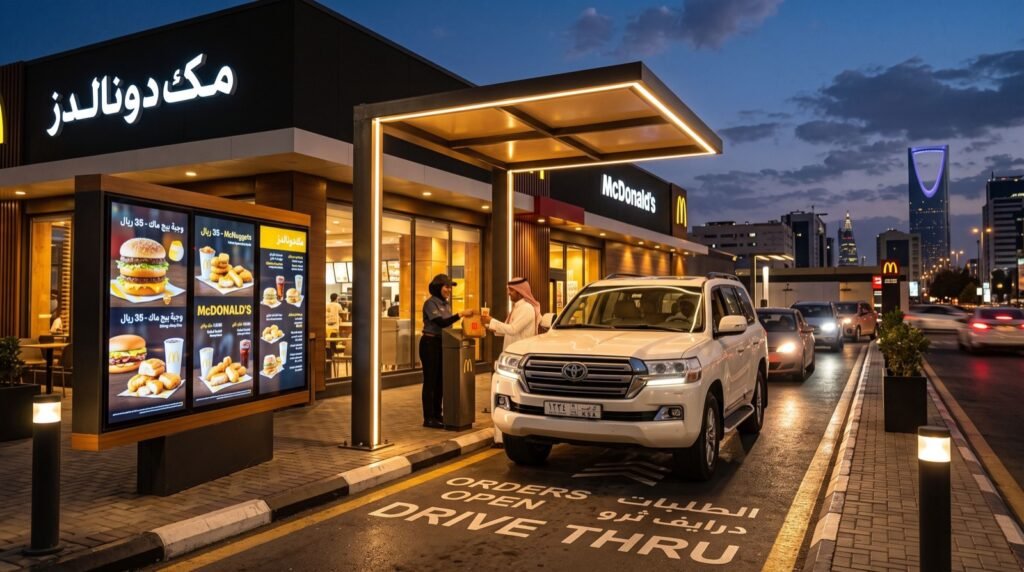
A drive-thru solution is far more than a speaker and a window. It is an integrated stack that measures every car’s journey through the lane, coordinates staff via headsets, confirms orders on a customer-facing screen, and feeds performance data back to managers in real time.
The goal is a fast, accurate, and pleasant experience that keeps cars flowing. Every second a vehicle idles at the menu board or the window is logged, so bottlenecks surface immediately instead of hiding in anecdotes. Working with quality service providers ensures the hardware and networking are built to survive years of weather, traffic, and heavy daily use.
The Core Components You Should Know
Understanding the building blocks helps you ask sharper questions during procurement. A complete Drive Thru Solutions deployment typically includes the elements below.
- Timer systems: Sensors and software that measure each stage of the lane journey.
- Wireless headsets: Clear, hands-free crew communication in noisy environments.
- Order confirmation displays: Screens that show customers exactly what they ordered.
- Digital menu boards: Weatherproof outdoor displays updated centrally.
- Lane analytics: Dashboards tracking speed, accuracy, and peak-hour trends.
How Do Drive-Thru Timers Improve Speed?
Timers turn a vague sense of busyness into hard numbers. By tracking the interval between the menu board, the order point, the pay window, and the pickup window, managers see exactly where cars stall.
Armed with that data, teams can rebalance staff, tweak kitchen prep, or adjust the menu layout. The result is a measurable drop in average service time, often the difference between capturing a lunch rush and losing it to the competitor across the street.
The Link Between Speed and Accuracy
Speed alone is a trap if orders come out wrong. That is why order-confirmation displays matter. When customers verify their order on screen, error rates fall, remakes drop, and the lane paradoxically gets faster because fewer cars circle back to fix mistakes.
Comparing Drive-Thru Formats in 2026
Not every location needs the same configuration. The table below outlines common formats and where each shines.
| Format | Best For | Key Benefit |
|---|---|---|
| Single lane | Standard sites | Simple, low cost |
| Dual lane | High-traffic urban sites | Doubles throughput |
| Tandem lane | Peak-heavy locations | Parallel order taking |
| Order-ahead pickup | App-driven chains | Skips the queue entirely |
Choosing the right format is a data decision. Analyze your traffic patterns before committing, because retrofitting a lane later is far costlier than planning correctly up front.
Where Does Queue Management Overlap?
Drive-thru speed and indoor service share the same DNA. A unified queue management system in saudi arabia can bring lane analytics and counter analytics into one reporting view, giving leadership a complete picture of throughput across every channel.
That integration matters because customers judge a brand as a whole, not by channel. A blistering drive-thru paired with a chaotic indoor counter still leaves a poor impression, so treating both under one platform is the smarter path.
Best Practices for a Successful Rollout
Great hardware fails without disciplined process. Follow the steps below to get the most from your investment.
- Baseline first: Measure current lane times before installing anything.
- Set clear targets: Define the service-time goal each shift must hit.
- Train relentlessly: Headsets and displays only help trained crews.
- Review weekly: Turn analytics into small, continuous adjustments.
- Maintain hardware: Outdoor gear needs scheduled preventive care.
According to the Nation’s Restaurant News industry publication, drive-thru speed and digital ordering remain top priorities for restaurant operators, underscoring why lane technology is a strategic investment rather than a cosmetic upgrade in 2026.
The Human Side of a Fast Lane
It is tempting to treat drive-thru performance as purely a technology problem, but the crew makes or breaks every lane. The best hardware in the world underperforms if the team is stressed, poorly trained, or working against clunky tools.
Clear wireless headsets matter here more than most operators realize. When order takers hear customers cleanly the first time, they ask fewer repeat questions, and the whole line speeds up. Poor audio quietly adds seconds to every single car.
Positive reinforcement around the numbers helps too. When crews see their shift beat yesterday’s average service time on a visible display, it becomes a small game they want to win. Celebrating those wins builds a culture of speed that no piece of hardware can install on its own.
Scheduling is the other human lever. Analytics that reveal precise peak windows let managers place their strongest crews at the busiest moments. Matching talent to traffic is one of the highest-return adjustments a location can make, and it costs nothing but attention.
A practical tip from busy sites: run a two-minute pre-shift huddle around one goal, such as keeping the pickup window under a target time. A single clear focus per shift beats a long list of instructions the crew will forget by the first rush.
Frequently Asked Questions
How much can drive thru solutions reduce wait times?
Results vary by site, but operators commonly report meaningful reductions in average service time after deploying timer systems and order-confirmation displays, simply because bottlenecks become visible and fixable.
Do I need dual lanes or is single enough?
It depends on peak traffic. High-volume urban locations benefit from dual or tandem lanes, while quieter suburban sites often run efficiently on a single well-managed lane. Let your traffic data decide.
Can drive-thru data connect to my indoor queue system?
Yes. Unified platforms merge lane analytics with counter analytics so leadership sees total throughput in one dashboard, making cross-channel improvements far easier to plan.
How weatherproof is outdoor drive-thru hardware?
Reputable systems use ruggedized, weather-rated displays and enclosures built for years of outdoor exposure. Insist on manufacturer durability ratings and a clear maintenance plan before buying.
Final Thoughts
Investing in modern Drive Thru Solutions in 2026 is about turning every second of the lane into measurable, improvable performance. Combine timers, confirmation displays, trained crews, and unified analytics, and your lanes will move faster while accuracy climbs. Tie the drive-thru into your broader queue management strategy, and the whole customer journey improves together. Ready to accelerate your lanes? Speak with a specialist and book a live assessment today.